

Sandoval’s expectation of privacy was also objectively reasonable. In LaDuke v. Nelson, 762 F.2d 1318, 1326 n. 11, 1332 n. 19 (9th Cir. 1985), we held that a person can have an objectively reasonable expectation of privacy in a tent on private property. In Gooch, 6 F.3d at 677, we extended that holding to find a reasonable expectation of privacy in a tent on a public campground. Here, the tent was located on BLM land, not on a public campground, and it is unclear whether Sandoval had permission to be there. However, we do not believe the reasonableness of Sandoval’s expectation of privacy turns on whether he had permission to camp on public land. Such a distinction would mean that a camper who overstayed his permit in a public campground would lose his Fourth Amendment rights, while his neighbor, whose permit had not expired, would retain those rights.
Read the full case here: U.S. v. Sandoval, 200 F.3d 659, 660-61 (9th Cir. 2000), https://casetext.com/case/us-v-sandoval-73/
Filed under: 4th Amendment & Searches · Federal Crimes
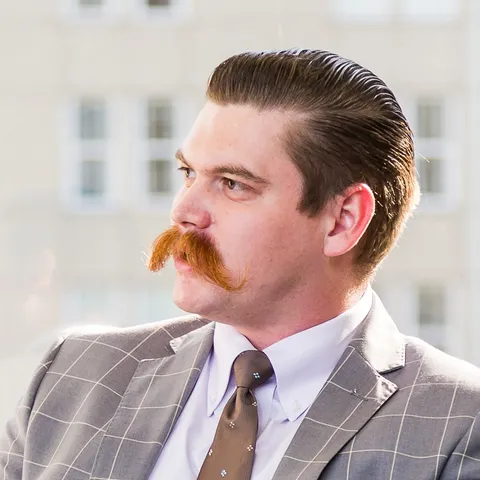
Anton Vialtsin, Esq., E.I. is a San Diego criminal defense attorney and CJA Panel member in the Southern and Central Districts of California. New case breakdowns every Wednesday on YouTube.
Related articles
- FLOCK CAMERA Searches Violate the 4th Amendment; Federal Judge Throws Out ALL Evidence!October 7, 2026 · ▶ Video
- Can Cops Use a Thermal Camera on Your Home Without a Warrant? | Kyllo v. USJuly 22, 2026 · ▶ Video
- “He Put Stuff in My Room, Bro” — Kid Destroys 4th Amendment Defense (US v. Gatkuoth)June 10, 2026 · ▶ Video
- FBI Raids Home, Refuses to Show Warrant — State Can’t Just Take the Feds’ Word for It. 4th AmendmentJune 3, 2026 · ▶ Video